Bulk Ordering Research Peptides: A Guide for Labs and Institutions
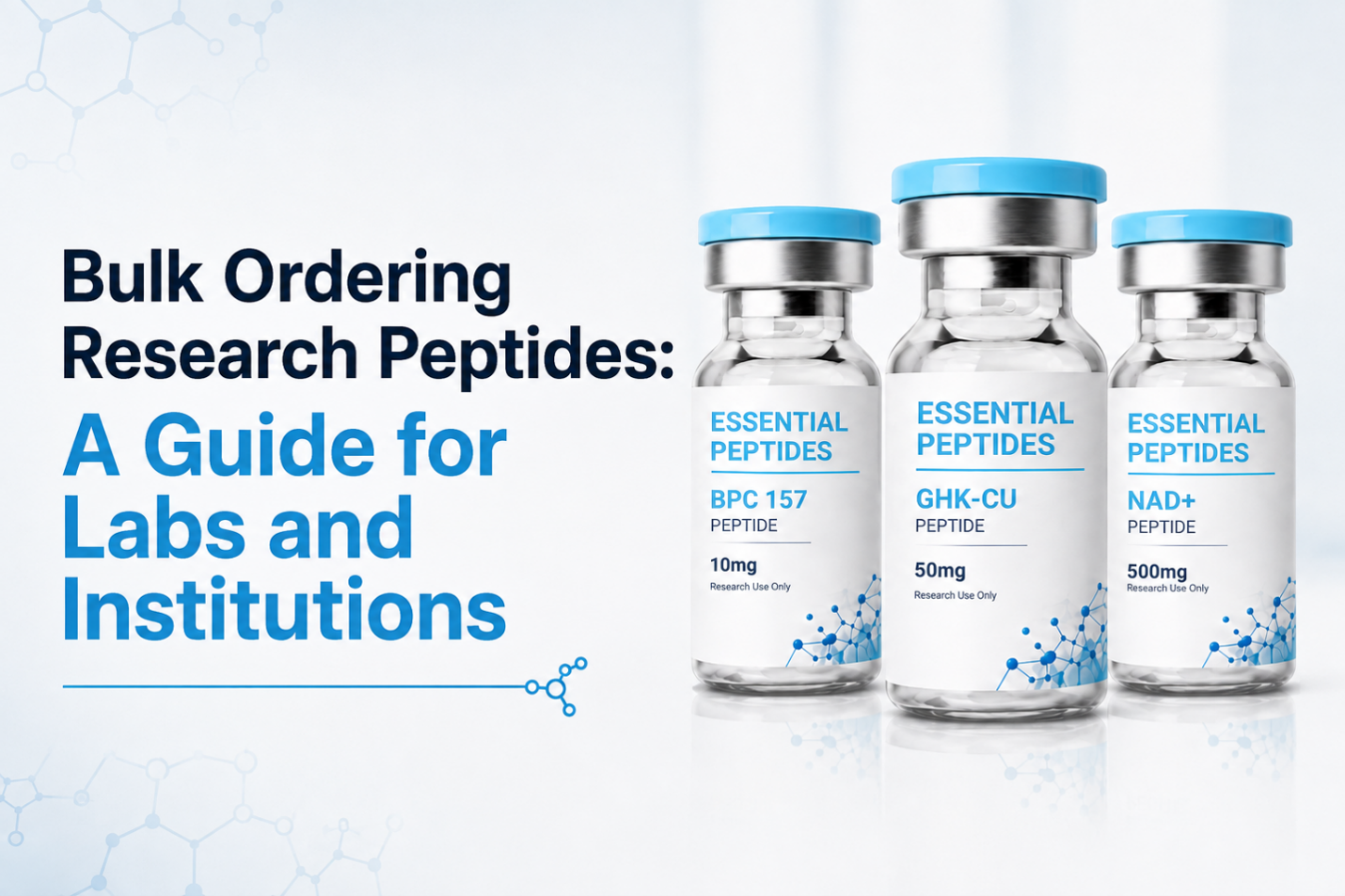
Laboratories and research institutions rarely order in small quantities. Once a study moves past its early pilot phase, the demand for consistent, verified material grows fast, and that is where wholesale peptides in UK start looking for a supply chain that can actually keep pace. Bulk ordering is not just about saving money. It’s about predictability, documentation, and knowing that batch twelve will behave exactly like batch one.
This blog walks through what labs and institutions should know before placing a large peptide order, from supplier vetting to storage logistics.
Why Bulk Ordering Changes the Equation
Ordering a single vial for a pilot experiment is a low-risk decision. A university department ordering fifty vials across three peptide types for a semester-long study is not.
At scale, small inconsistencies compound. A 2% purity variance on one vial barely registers. Across a hundred units, it can quietly skew an entire dataset.
Institutions placing bulk orders need to think about a few things upfront:
- Batch consistency across the full order, not just spot samples
- Documentation that supports internal compliance and audit trails
- Storage capacity to receive and hold larger quantities correctly
- Budget forecasting, since bulk pricing tiers vary widely between suppliers
None of this is complicated on paper. In practice, it’s where a lot of research teams get caught out.
Choosing a Research Peptide Supplier
Not every vendor is built for institutional volume. Some operate more like consumer storefronts than genuine suppliers to laboratories, and that distinction matters once order sizes grow.
A dependableresearch peptide supplier should be able to answer a few direct questions without hesitation.
What to Ask Before You Commit
- Is independent laboratory testing available for every batch, not just occasionally?
- Can documentation be provided per batch, including purity and identity verification?
- What is the actual dispatch timeline once an order is confirmed?
- Is there a dedicated contact for ongoing institutional accounts, rather than a general inquiry inbox?
A supplier that answers all four clearly is usually one worth building a longer relationship with.
Red Flags Worth Noting
- Vague claims of “lab tested” with no batch-level detail offered
- No clear process for reordering the same compound at consistent specification
- Pricing that only appears after lengthy back-and-forth, with no published tiers
These aren’t dealbreakers on their own, but two or three together suggest the supplier hasn’t built its operations around institutional buyers yet.
What Makes a Peptide Company UK-Based Actually Useful
Working with a UK-based peptide company in UKinstitutions can rely on tends to offer a few practical advantages over sourcing internationally.
Domestic dispatch means shorter transit windows, which reduces the risk of temperature exposure during shipping. It also simplifies communication. Time zone alignment and UK-based support teams mean questions get answered within the working day, not overnight.
There’s also the regulatory angle. A supplier operating within UK frameworks tends to have clearer documentation practices already in place, since they’re accustomed to working with domestic research clients who expect it.
Practical Benefits of Domestic Sourcing
- Faster resolution on shipping queries or delays
- Reduced customs complexity for UK-based labs
- Easier returns or reshipment handling if something arrives compromised
- A support contact who understands UK research contexts specifically
None of this replaces the need to verify quality directly. It simply removes a layer of friction that international sourcing often adds.
Verifying Lab Tested Peptides UK Suppliers Actually Provide
The phrase lab tested gets used loosely across this industry. Institutions placing bulk orders need something more concrete than a marketing claim.
Genuinely lab tested peptides that UK suppliers should stock will come with independent verification, meaning testing conducted outside the supplier’s own facility. This matters because in-house testing, while not inherently dishonest, carries an obvious conflict of interest.
What Verification Should Include
- Third-party laboratory analysis confirming purity percentage
- Identity confirmation, verifying the compound matches its labeled sequence
- A certificate of analysis available per batch, not a generic one reused across orders
- A clear process for requesting documentation before committing to a large order
Ask for a sample certificate before placing your first bulk order. A supplier confident in their process will provide one without pushback.
Storage and Handling for Bulk Quantities
Receiving a bulk shipment introduces logistical questions that single-vial orders never raise.
Peptides are sensitive to temperature and light. Most require refrigeration or freezer storage upon arrival, and institutions need to have that capacity ready before the delivery lands on the loading dock, not after.
Storage Considerations for Larger Orders
- Confirm freezer or refrigeration capacity matches the incoming volume
- Establish a labeling system so batches remain traceable internally
- Assign a single point of responsibility for logging receipt and storage conditions
- Build in a buffer for delayed deliveries so materials aren’t left waiting at room temperature
Skipping this planning stage is one of the more common mistakes institutions make when scaling up from small orders to bulk purchasing.
Understanding Wholesale Pricing Structures
Wholesale pricing for research peptides is rarely a single flat rate. Most suppliers structure pricing in tiers, with cost per unit decreasing as order volume increases. Institutions unfamiliar with this model can find it difficult to compare suppliers accurately without requesting a formal breakdown first.
Institutions planning recurring procurement should request a written pricing schedule rather than relying on verbal estimates. This allows budgeting to be planned accurately across a full research cycle and makes it easier to compare wholesale terms between suppliers on a consistent basis.
Building a Long-Term Supplier Relationship
Bulk ordering works best as an ongoing relationship rather than a series of one-off transactions. Institutions benefit from suppliers who understand their research cadence, typical order sizes, and documentation requirements over time.
A few habits help this relationship stay productive:
- Reviewing supplier performance after each major order, including delivery timing and documentation accuracy
- Keeping a shared record of past batch numbers and certificates for internal reference
- Communicating upcoming volume needs in advance where possible so that suppliers can plan accordingly
This kind of consistency reduces friction on both sides and generally results in better pricing and priority handling over time.
Conclusion
Bulk ordering research peptides comes down to three things: verified quality, reliable logistics, and a supplier relationship built on clear documentation rather than assumptions. Institutions that take the time to vet their supplier properly, ask for batch-level certificates, and plan their storage capacity tend to avoid the disruptions that derail research timelines. Essential Peptides works with laboratories, clinics, and research institutions across the UK to support exactly this kind of structured, dependable bulk supply.
Frequently Asked Questions
What is the minimum order size required for wholesale peptide pricing?
Minimum order thresholds vary between suppliers, with most offering tiered pricing structures suited to laboratory and clinical procurement volumes. Institutions are advised to request a direct quotation based on their specific research requirements.
How can laboratories verify peptide purity before placing a bulk order?
Institutions should request a certificate of analysis issued by an independent laboratory for the specific batch under consideration. This document should confirm both purity percentage and compound identity.
Do UK institutions require specific documentation to purchase peptides in bulk?
Documentation requirements depend on each institution’s internal compliance policies. Established suppliers can typically provide standard documentation, including batch-specific certificates of analysis, to support internal record keeping.
What is the typical delivery timeframe for bulk peptide orders within the UK?
UK-based suppliers generally offer same-day dispatch for confirmed orders, with tracked delivery arriving within one to two working days depending on the destination.