Why Rising Search Interest in BPC-157 Is Reshaping Peptide Research
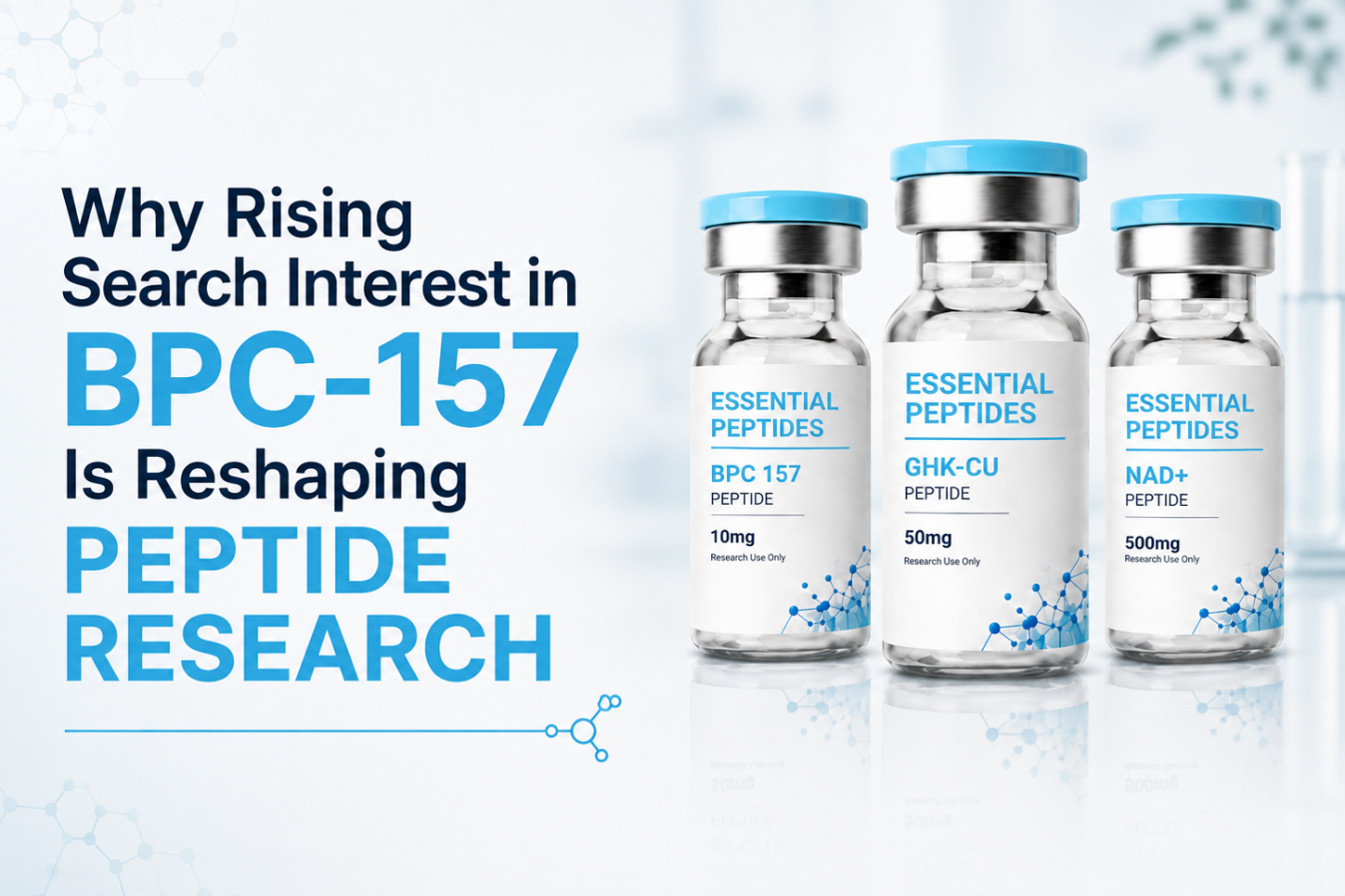
Search volumes across scientific and academic platforms reveal a measurable shift in attention toward specific compounds within peptide science. Among these, the bpc 157 research peptide has recorded a consistent rise in queries from research institutions, laboratories, and independent scientists. This pattern is not incidental. It reflects a broader transformation in how research peptides are studied, evaluated, and procured throughout the United Kingdom and internationally.
We have observed this development across academic literature and supplier behavior, and the underlying causes merit closer examination.
The Factors Behind the Growing Search Volume
Access to peer-reviewed research has expanded considerably over the past decade. Academic databases, institutional repositories, and open-access journals have reduced the barriers that once limited researcher access to emerging compound data. This accessibility has directly influenced search behavior.
Several contributing factors can be identified:
- Expansion of published literature addressing tissue-related and gastrointestinal research
- Increased availability of laboratory-tested compounds through specialized suppliers
- Strengthened collaboration between universities and independent research bodies
- Peer discussion within scientific networks regarding study methodology and comparative findings
These elements do not operate in isolation. Each factor reinforces the others, producing a compounding effect on research attention and subsequent search activity.
BPC-157 Within the Research Context
BPC-157 is a synthetic peptide sequence derived from a protein identified in gastric fluid. Its biochemical properties have positioned it as a recurring subject within studies examining tissue behavior, cellular signaling, and structural repair mechanisms.
Current research remains confined predominantly to laboratory and preclinical settings. Despite this, scientific interest continues to expand as institutions publish additional findings and refine experimental methodology.
Principal Areas of Scientific Focus
Three recurring themes appear consistently within published research:
- Tissue-structure studies examining repair-related biological processes
- Gastrointestinal research focused on gastric lining function
- Cellular signaling investigations related to inflammatory response pathways
These focus areas explain the compound’s frequent appearance within academic citations and formal research proposals across multiple disciplines.
The Broader Impact on Peptide Sourcing Standards
Increased attention toward a single compound rarely remains confined to that compound alone. It typically elevates interest across the entire category. As search activity for BPC-157 increased, corresponding interest in research peptides more broadly followed a similar trajectory.
This shift has directly influenced supplier practices. Researchers now approach procurement with clearly defined expectations.
Standards Researchers Now Require from Suppliers
Procurement expectations within this sector have evolved considerably:
- Documented batch testing and clear sourcing information
- Accurate, non-exaggerated product descriptions
- Efficient, discreet dispatch suited to time-sensitive laboratory requirements
- Consistent purity levels maintained across repeat orders
Suppliers unable to meet these standards experience a measurable decline in researcher confidence. Scientific communities remain closely networked, and supplier reputation circulates quickly within these circles.
Storage and Handling Requirements for Research Integrity
Proper storage conditions directly affect the reliability of any laboratory finding involving peptide compounds. Temperature control, correct reconstitution procedures, and careful handling all influence compound stability throughout a study. Researchers sourcing peptides online increasingly expect suppliers to provide clear guidance on storage requirements alongside each product. Without this information, even a well-designed study can produce inconsistent results due to compound degradation. Suppliers who address these practical details tend to earn stronger trust within research communities that prioritize procedural accuracy.
Regional Demand for BPC-157 UK Sourcing
Domestic demand within the United Kingdom mirrors this global trend closely. Search activity for BPC-157 UK sourcing has risen in parallel with academic interest, prompting UK-based suppliers to strengthen their quality assurance practices.
Researchers based in the UK frequently cite specific reasons for favoring domestic sourcing:
- Preference for UK dispatch over extended international shipping timelines
- Greater confidence in suppliers that provide transparent sourcing documentation
- Requirement for consistent batch quality across successive purchases
This regional demand has contributed to a more competitive UK market for peptides online, ultimately benefiting researchers through improved transparency and product consistency.
Implications for the Future of Peptide Research
Search trends frequently serve as early indicators of broader scientific momentum. A sustained increase in interest toward a specific peptide typically signals expanding research activity that has yet to be fully reflected in published literature.
Three developments appear likely in the coming years.
Expanded Institutional Involvement
Universities and independent research organizations are expected to incorporate BPC-157 more frequently into comparative studies, particularly within tissue and cellular research domains.
Elevated Documentation Requirements
Suppliers will face increasing pressure to publish comprehensive testing data, as researchers apply more rigorous criteria when selecting sourcing partners.
Continued Interest in Related Compounds
Scientific attention rarely remains isolated to a single peptide. Related compounds studied through comparable biological pathways are likely to experience similar growth in research interest.
A Measured Perspective on Current Research
BPC-157 remains firmly positioned within a research context. Investigations remain ongoing, and available evidence originates predominantly from laboratory and preclinical studies rather than large-scale clinical trials involving human subjects.
Researchers examining this compound typically apply the same level of caution expected within any developing scientific field. Careful sourcing, accurate documentation, and realistic interpretation of available data remain essential components of responsible research practice.
Testing Methods That Support Research Confidence
Purity verification plays a central role in how researchers evaluate any research peptide before it enters a study. High-performance liquid chromatography remains the standard method used to confirm compound identity and measure purity levels with precision. Mass spectrometry is often applied alongside this process to verify molecular structure further. Researchers working with BPC-157 typically look for suppliers who reference these testing methods directly, rather than relying on general purity claims. This level of documentation allows research teams to compare batches with confidence and maintain consistency across repeated experiments.
Comparative Interest Across Related Peptides
BPC-157 rarely appears in isolation within academic discussion. Researchers frequently examine it alongside other peptides studied for related biological functions, particularly those associated with tissue behavior and recovery-focused pathways. This comparative approach allows scientists to identify overlapping mechanisms and refine hypotheses across multiple compounds simultaneously. As search interest in research peptides continues to widen, this pattern of comparative study is likely to become more common, encouraging institutions to explore compound families rather than isolated substances.
Conclusion
The increase in search interest surrounding BPC-157 reflects a genuine evolution in how peptide research is conducted and sourced. Researchers increasingly prioritize transparency, consistency, and dependable supply, and this shift continues to shape standards across the wider category. At Essential Peptides, we recognize this evolving landscape and remain committed to supporting the research community through laboratory-tested products, transparent quality standards, and reliable UK-based dispatch for those engaged in rigorous scientific work.
Frequently Asked Questions
1. Why has BPC-157 become a significant subject within current peptide research?
Its relevance to tissue-related and gastrointestinal studies has established it as a recurring reference point across multiple research disciplines, contributing to sustained academic interest.
2. Is BPC-157 approved for human consumption?
No. BPC-157 is classified exclusively for laboratory and research purposes and is not intended for human or veterinary use.
3. What has driven increased demand for BPC-157 UK sourcing?
UK-based researchers increasingly prioritise domestic dispatch, transparent documentation, and consistent purity standards, all of which have strengthened demand for UK suppliers.
4. How should researchers assess the quality of research peptides prior to purchase?
Reviewing available batch testing documentation, supplier transparency, and product accuracy remains the most reliable method for evaluating quality before committing to a purchase.